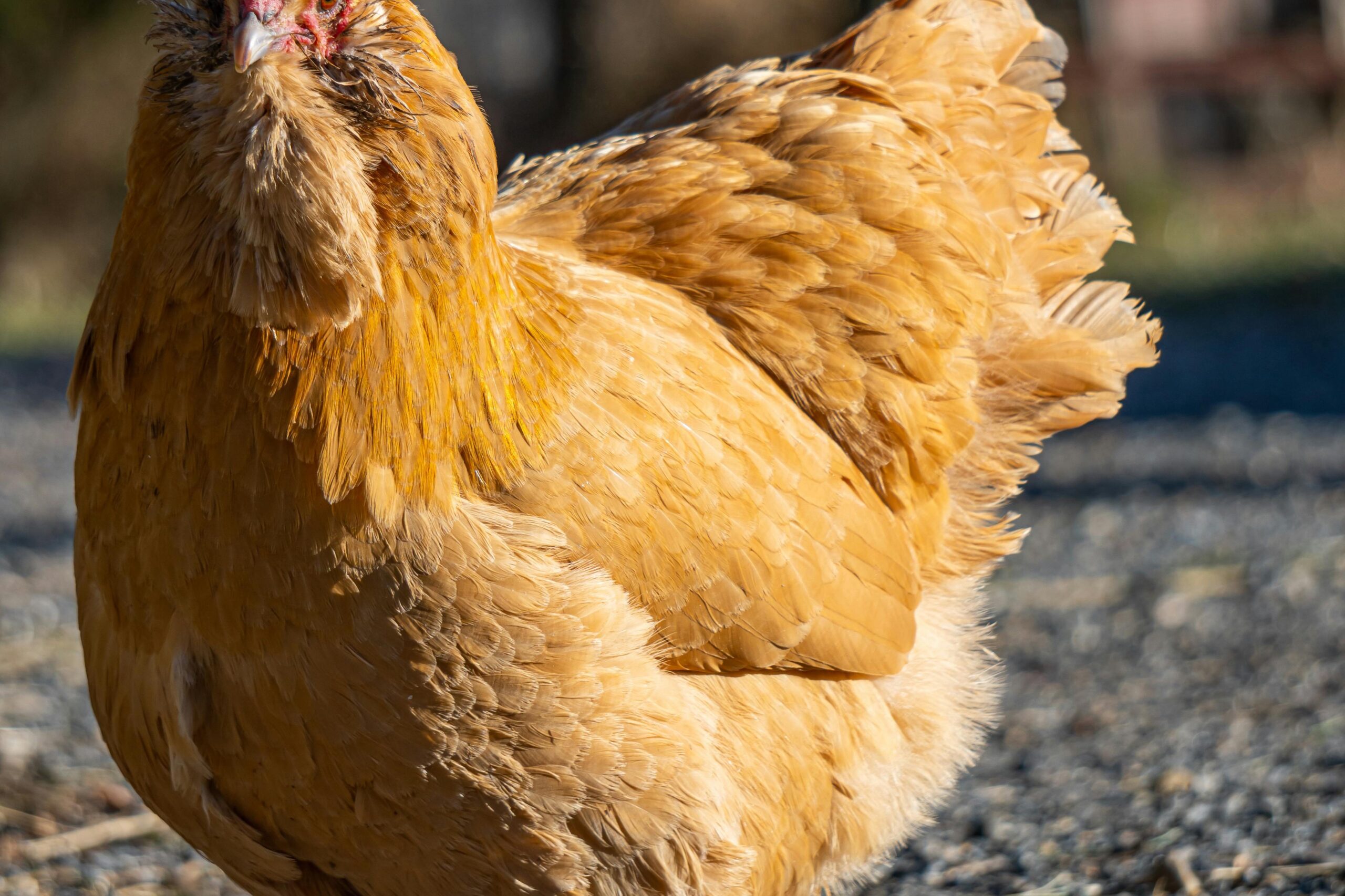
How We Raise Hens — Welfare-Focused, Sustainable Methods
At our farm, producing healthy eggs responsibly is a daily commitment. We believe that hen welfare and environmental stewardship go hand in hand: well-cared-for birds produce better eggs, and sustainable practices reduce our footprint while supporting local ecosystems and communities. In this post I will outline the practical steps we take on a typical day, the systems we use, and why they matter for animals, the land, and consumers.
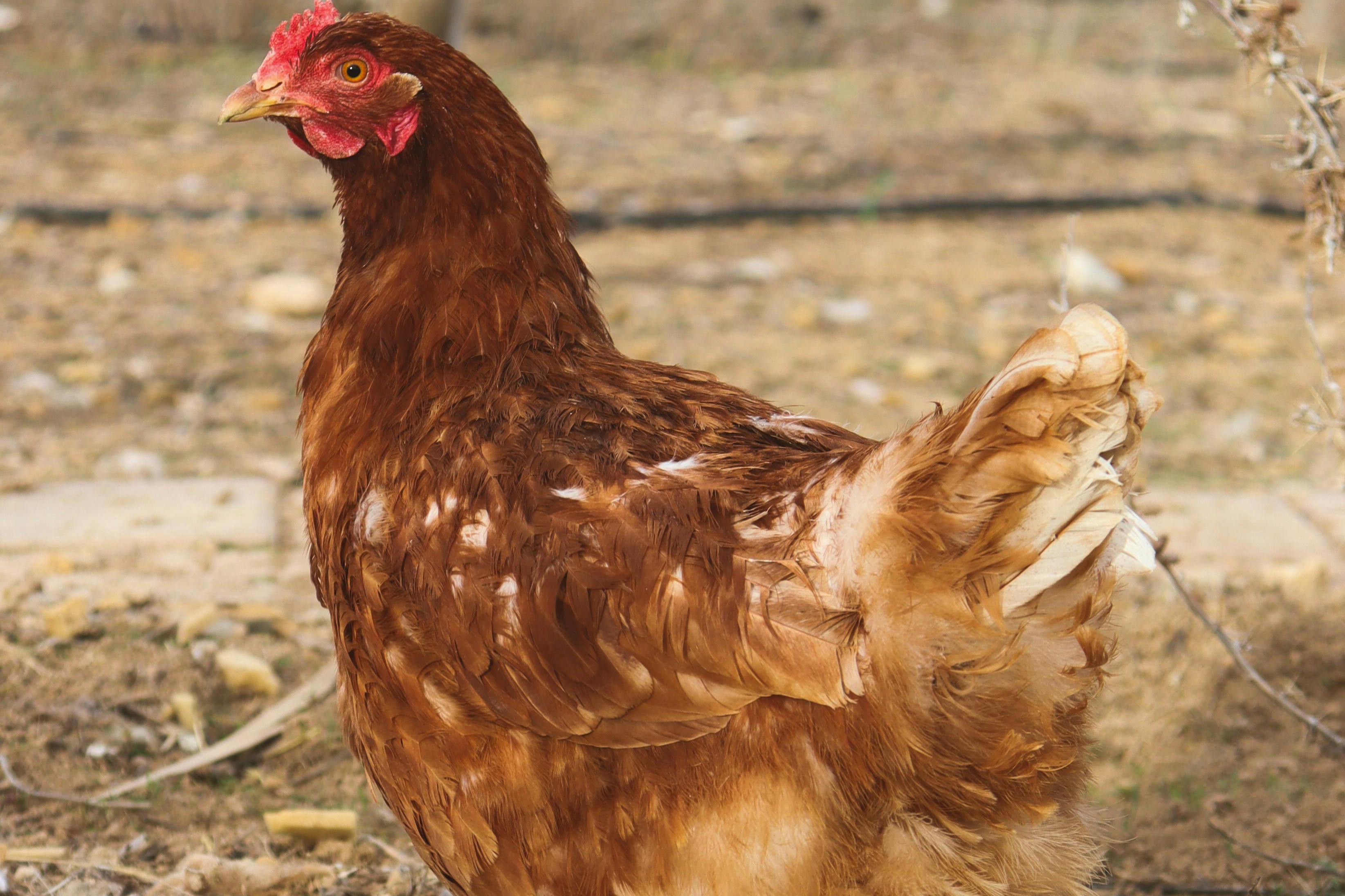
Space, enrichment, and natural behaviors
Hens need room to move, dust-bathe, perch, forage, and nest. Our housing provides enriched environments with natural light cycles, perches at multiple heights, ample nest boxes, and areas for dust-bathing. When birds can express normal behaviors they experience less stress, which leads to stronger immune systems and more consistent laying.
- Lower stocking densities than conventional barns to reduce crowding and competition.
- Perches, platforms, and ramps to encourage exercise and reduce keel bone issues.
- Foraging material and pecking substrates to prevent boredom and harmful pecking.
Pasture rotation and predator-safe free-range
Our free-range program uses rotational paddocks. We move hens regularly to fresh pasture to allow vegetation recovery, reduce parasite loads, and improve soil health. Each rotation is planned to balance forage availability and shelter needs, and we use predator deterrents and secure ranges so birds can roam safely during the day and return to secure coops at night.
Feed, nutrition, and reduced inputs
Nutrition plays an essential role in hen health. We source non-GMO grains from regional suppliers and formulate balanced rations that include trace minerals and omega-3 sources when requested by customers. We avoid routine antibiotic use; instead, we focus on preventive care: strong nutrition, clean water, good ventilation, and vaccination where appropriate. When treatments are necessary for the welfare of an individual or flock, they are administered under veterinary guidance, with withdrawal times respected.
Manure management, composting, and nutrient cycling
Manure is a valuable resource when managed properly. We compost bedding and manure in controlled piles to kill pathogens and weed seeds, then apply compost to pasture and crop areas to build soil organic matter. This reduces synthetic fertilizer dependence and helps sequester carbon in the soil over time.
Water, energy, and regenerative practices
Water conservation and energy efficiency are part of our sustainability plan. We capture rainwater for cleaning and irrigation, use low-flow drinkers, and monitor water use. On the energy side, solar panels power lights and some of our pumps. We continually evaluate opportunities to reduce emissions and increase on-farm renewable energy.
Health monitoring, biosecurity, and traceability
Regular flock health checks, record-keeping, and biosecurity measures protect both hens and consumers. We maintain visitor logs, limit traffic between flocks, and train staff on sanitation. Traceability systems let us track eggs from nest to carton, providing transparency to buyers and rapid response if a health concern arises.
Certifications, audits, and continuous improvement
We pursue third-party certifications when they align with our practices, and we welcome audits as tools for continuous improvement. Certifications can include organic practices, humane welfare standards, or food safety schemes, depending on the market and products. More important than labels, however, is the daily habit of observing birds, listening to staff, and quickly addressing issues.
Community, education, and worker welfare
Sustainability includes people. We invest in staff training, fair pay, and safe working conditions. We host farm tours and educational workshops so consumers understand where their food comes from and why certain choices cost more. Building relationships with local businesses and farmers helps create resilient regional food systems.
Final thoughts
Sustainable hen raising is not a single technology or certification; it is a suite of practices focused on welfare, environmental care, and community responsibility. By prioritizing natural behaviors, nutrient cycling, reduced chemical inputs, and humane treatment, we aim to produce eggs that are nutritious, traceable, and grown with respect for animals and land. We continually adapt, learn from research and peers, and invite feedback from our customers and neighbors as we strive to do better each season.
If you have questions about any specific practice — from bedding choices to rotation frequency or how we handle winter housing — leave a comment below or contact the farm directly. Transparency matters, and we’re happy to share more details.



Could you provide more details on the predator deterrents you use? We want to implement similar measures on our small hobby farm.
I love that you compost manure for soil health. How long do you typically compost before applying it to fields?
Great read. Do you have data on improved egg quality or production when using enriched housing versus conventional systems?
Thank you for this thorough explanation. I appreciate the focus on enrichment and rotational grazing — can you share how often you move the hens between paddocks?
This post made me trust your brand more. I especially value the transparency and staff welfare focus. Do you offer farm tours year-round?